

Photo gallery & creative setups

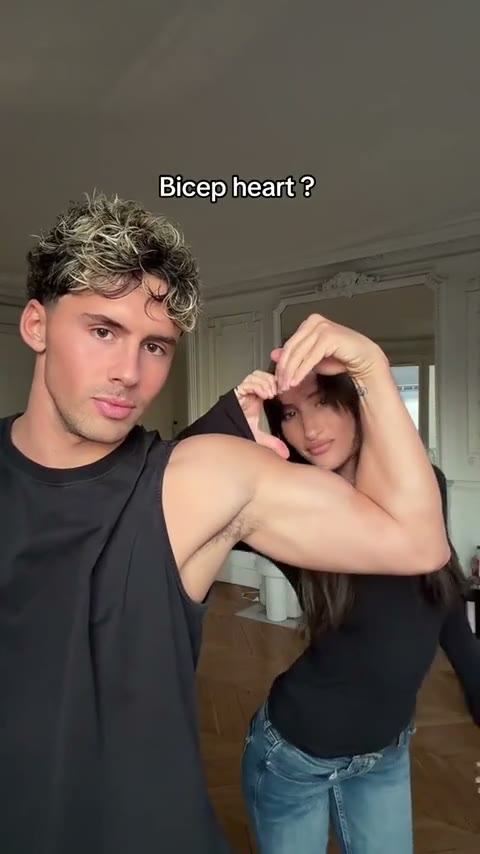
Bicep Heart Pic Ideas

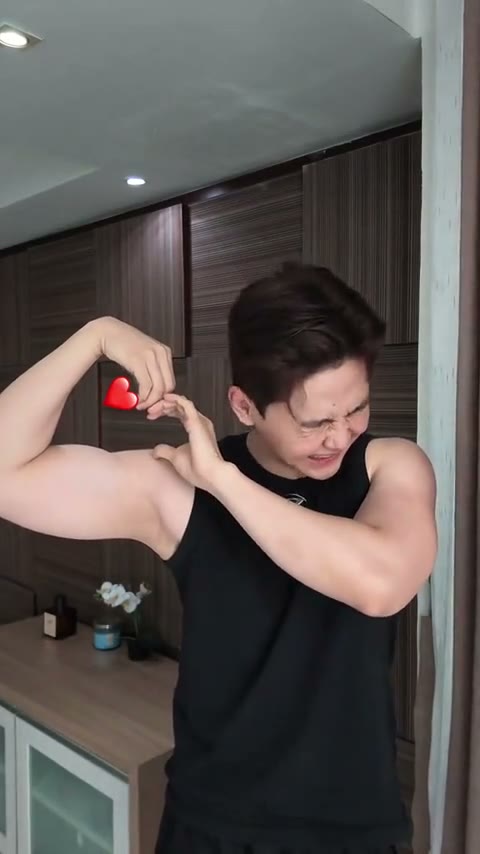
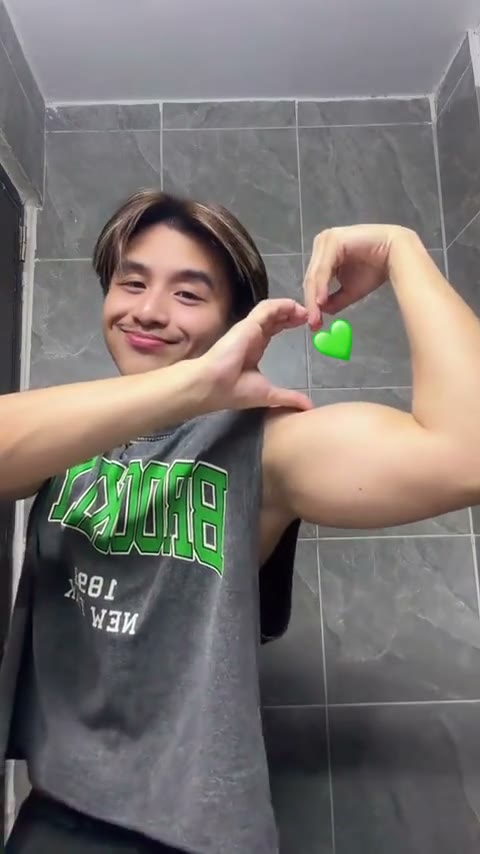
Looking for bicep heart pic inspiration? Explore 15 real photo concepts, discover practical camera framing rules for different styles, and see how to stage your own portrait before animating it.

✓ 15 verified image concepts✓ Framing checklists✓ Ready to test locally
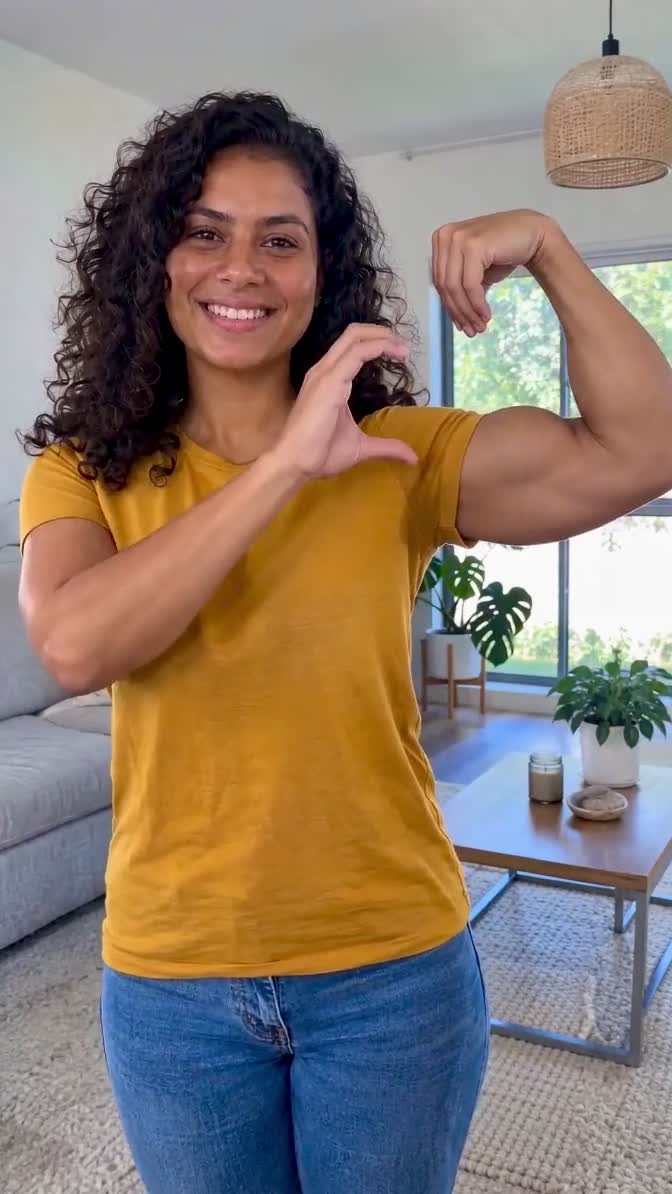
Woman in yellow top demonstrating the classic bicep heart pose
FEATURED CONCEPTClassic single-person bicep heart portrait

Three setups

Three Photo Scenarios: How to Frame the Shot

Different portrait types demand distinct camera adjustments. Here is how to nail the arm-heart gesture across three common photography scenarios.

Scenario 01

Girl Selfie

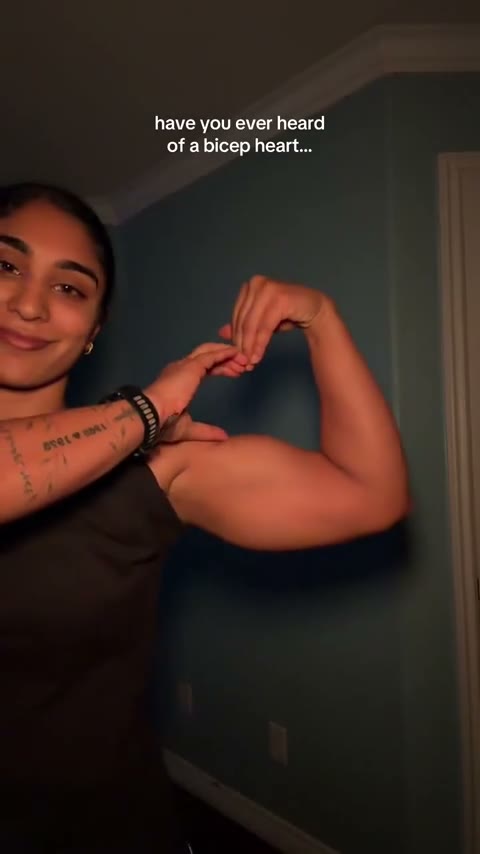
Taking a bicep heart selfie with a front-facing phone camera requires thoughtful framing so your arm gesture stays fully visible. Position your phone on a small stand or hold it at arm's length with a wide-angle lens setting. Keep your head slightly tilted and relax the shoulder of your flexing arm to avoid looking stiff. Form the heart with your fist near temple height, curving your opposite fingertips inward until the outline clearly opens up in the screen preview. Natural window light facing your chest works best because harsh overhead lighting casts shadows that blur the gap between your hand and bicep. Wear a sleeveless top or roll up your sleeve so the arm outline remains clean against your background. Take several continuous shots while varying your smile and eyebrow tilt. Because front cameras flip photos automatically, verify that the heart reads as a balanced silhouette before picking your favorite picture.

  • Framing: Set lens wide and step back
  • Lighting: Soft frontal window daylight
  • Outfit: Sleeveless or rolled sleeves
Scenario 02

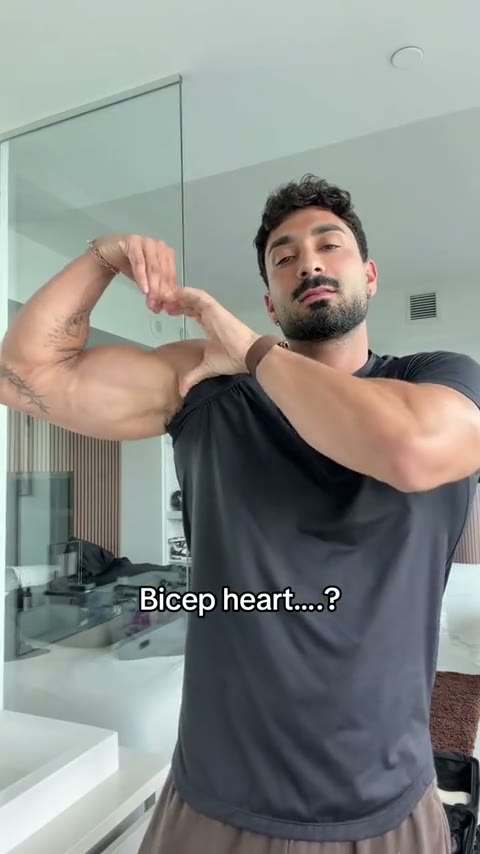
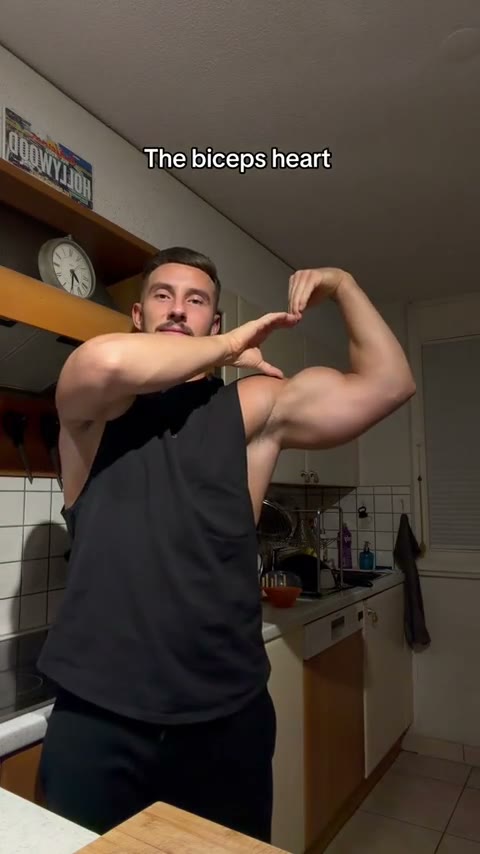
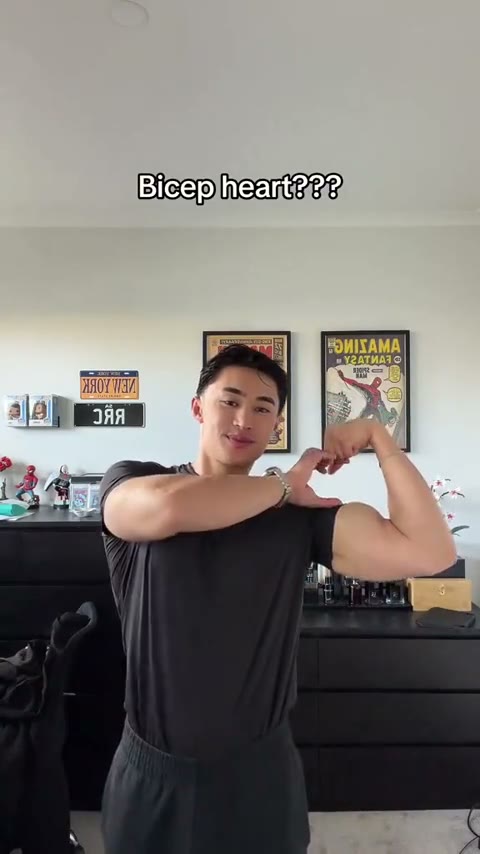
Male Fitness Photo

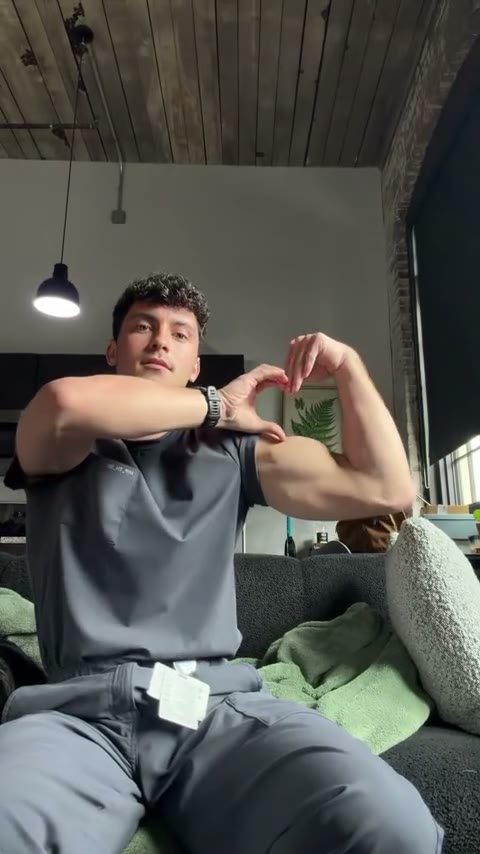
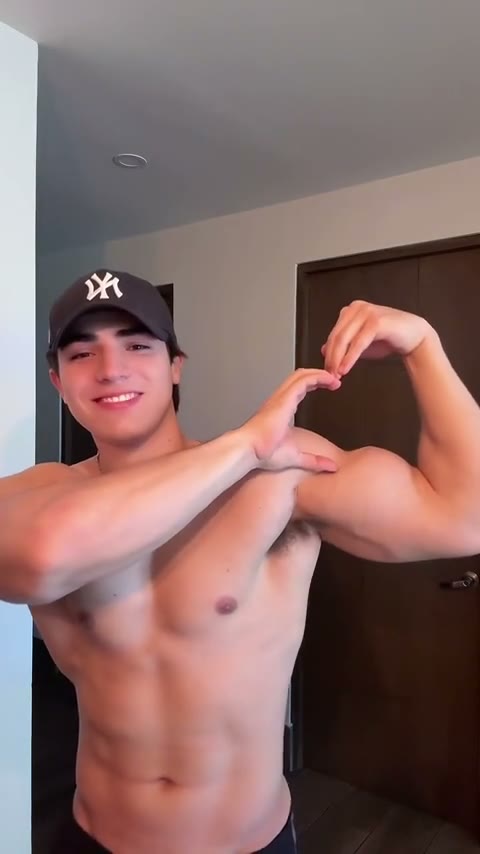
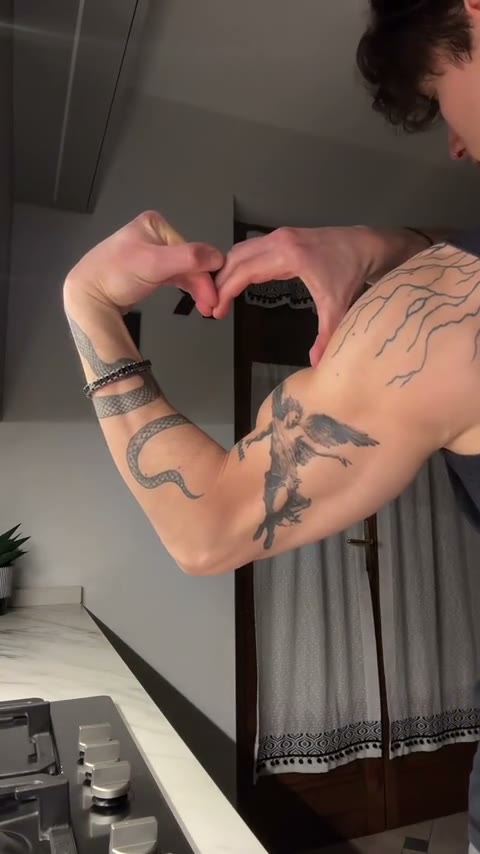
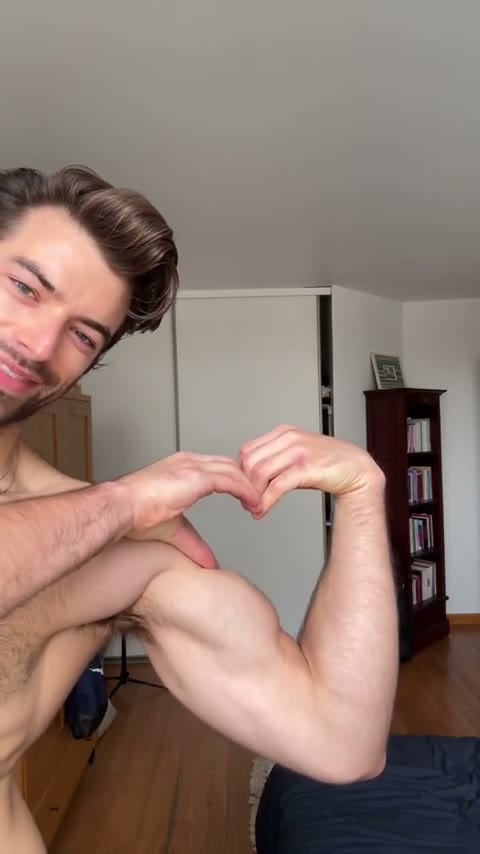
For gym selfies and fitness portraits, the goal is combining muscle definition with the playful arm-heart gesture without crowding the frame. Stand squarely facing the camera lens rather than twisting your torso into a bodybuilding quarter-turn, which can distort the symmetrical heart outline. Flex your upper bicep with moderate tension rather than straining at maximum effort; over-flexing raises the shoulder, bunches the neck muscles and shrinks the negative space needed for the heart curve. Position your elbow roughly parallel to chest height, and bring your other hand inward with fingers gently cupped. Directional side lighting from gym windows or ring lamps defines bicep separation while keeping the hand silhouette distinct. If wearing a tank top or cutoff shirt, make sure fabric does not bunch under the armpit and obscure the bottom point of the heart. Review your test picture on a larger display to confirm that both elbows remain safely inside the frame edges.

  • Framing: Square chest-to-camera angle
  • Tension: Moderate flex without shrugging
  • Lighting: Clean directional side illumination
Scenario 03

Kid Photo

Photographing children with the bicep heart gesture is easiest when you turn the pose into an active game rather than asking them to hold still. Have the child stand against an uncluttered indoor wall or open yard space where their arms can move freely. Crouch down so the camera lens matches their eye height instead of shooting downward from an adult vantage point, which flattens the heart shape. Ask them to show their strongest superhero arm, then encourage them to bend their other hand over like a secret heart greeting. Because children have shorter limb proportions, keeping both elbows lifted at chest level ensures the upper chest does not swallow the gesture. Use burst mode or a fast shutter speed in good ambient daylight to catch authentic giggles without motion blur. Keep instructions simple and fun, snapping multiple quick frames so you can select the picture with the clearest silhouette and happiest expression.

  • Angle: Crouch down to lens eye level
  • Pacing: Burst mode to freeze motion
  • Coaching: Superhero game cues

Framing breakdown

Good Photo vs. Cropped Photo: What Works

The difference between an impressive bicep heart picture and a confusing silhouette almost always comes down to framing margins. Compare these two composition approaches.

✓ Recommended Framing

Well-Framed Portrait

Both elbows rest comfortably within the image perimeter with at least two inches of breathing space. The camera is set directly at chest level, keeping both forearms equidistant from the lens. Negative space between the flexed arm and opposite hand reads immediately as a clean heart outline.

✗ Cropped Framing

Tight Selfie Crop

The phone is held too close or cropped tightly around the face. The outer edge of the elbow is chopped off by the side bezel, severing the outer curve of the heart. When one side is clipped, the gesture loses its outline and becomes unrecognizable to the viewer.

Mastering the shot

6-Point Photo Pre-Flight Checklist

Verify these six essential points before finalizing your bicep heart picture.

Full elbow clearance

Keep at least two inches of space outside each elbow so neither half of the heart gets truncated by the frame border.

Chest-level lens position

Position your camera lens at chest height rather than looking down from a high angle, which distorts arm proportions.

Arms on the same depth plane

Keep both forearms parallel to your camera sensor so perspective foreshortening does not make one arm look miniature.

Relaxed shoulder posture

Keep your flexing shoulder down and relaxed. Shrugging upward pinches the negative gap where the heart shape lives.

Gently curled fingers and thumb

Curl your free fingertips and tuck your thumb inward. Straight or stiff fingers break the round heart contour.

Frontal diffused illumination

Face a bright window or soft diffused lamp so light hits both arms evenly without harsh intersecting shadows.

Interactive workspace

Turn Your Photo into a Bicep Heart Video

Have your photo ready? Test your picture in the local preview area below. You can preview one person, two people, or one pet, check framing instantly, and generate an arm-heart animation without creating an account.

  • ✓ Works with JPG, PNG, or WebP up to 10 MB
  • ✓ Zero photos uploaded during preview
  • ✓ Explore sample photos or drop your own portrait

Your starting photos

Photo preview

Person

JPG, PNG or WebP · Up to 10 MB

One-time · No subscription

A little heart, your way

Choose your video pack

Pay once. Make your videos whenever you’re ready.

Single

$3.99

1 video

$3.99 per video

Seven

$18.99

7 videos

$2.71 per video

Prices in USD · One-time payment · Credits never expire

Your credits belong to this browser. Clearing site data, private browsing or switching devices can lose access. Download your videos to keep a copy.

Already have credits? Go to My videos

Or explore a sample photo

1 person
2 people
1 pet

Your photos stay on your device. Only you can see your preview.

Common questions

Frequently Asked Questions

Answers to frequent questions about outfits, photo suitability, file dimensions and two-person setups.

What should I wear for a bicep heart pic?

Wear clothing that leaves your upper arms clearly visible, such as a tank top, t-shirt or sleeveless top. If wearing a long-sleeved shirt, roll up your sleeves past the elbow so the arm curve is clearly defined. Solid colors contrast better against indoor backgrounds than busy, high-contrast patterns.

Can I make a bicep heart pic from an old photo?

Yes. You can use any existing portrait or past photo as long as both shoulders, arms and elbows remain inside the frame with decent resolution and clear lighting. Crisp frontal pictures taken from chest level work best for the arm-heart outline.

What size photo works best?

Photos in standard portrait orientation (like 3:4 or 9:16) with a resolution of at least 1080×1440 pixels work best. JPG, PNG and WebP formats up to 10 MB are supported. Avoid extreme close-up headshots or ultra-wide landscape pictures where the subject appears too small.

Can I do it with two people?

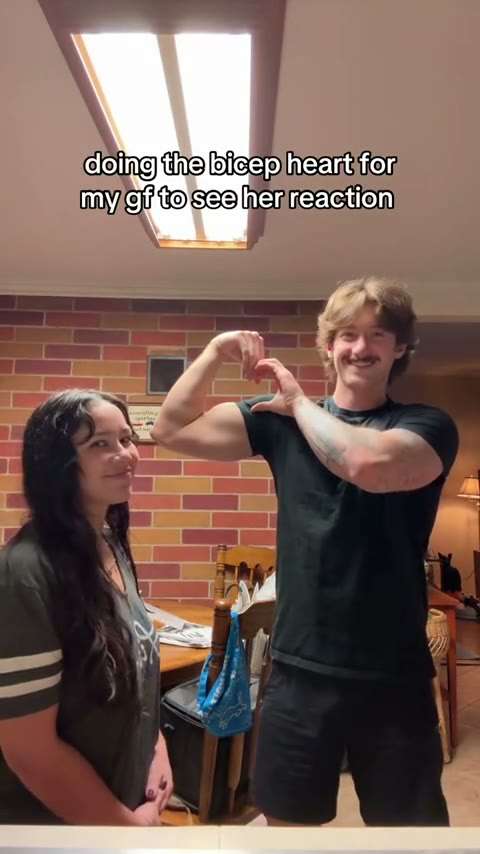
Yes. In the photo demo workspace, select the 2 people option and provide two portraits: one for the left position and one for the right. When generated, both people are framed together to create a shared arm-heart gesture.